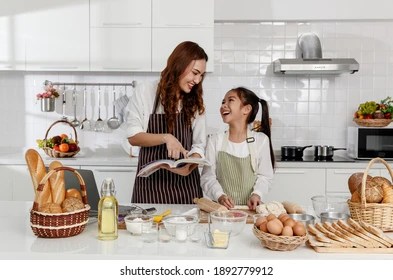
More than meals — they’re edible heirlooms.
Some recipes live on index cards, yellowed with age and stained with love. Others are passed down through whispers in the kitchen, measurements made by feel and taste rather than teaspoons. These are the dishes that carry more than just flavor they carry family, culture, and story. They are the heart of our culinary heritage.
At Savoric, we believe food is memory, legacy, and connection. In a world that moves fast, passed-down recipes invite us to slow down, gather, and savor the generations that came before us.
Grandma Was the OG Gourmet
Before recipe blogs and viral food hacks, there were grandmas, aunties, and uncles who could turn a handful of humble ingredients into soul-satisfying masterpieces. These family cooks weren’t chasing trends they were preserving tradition.
Maybe your grandmother made the best tamales every Christmas, or your grandfather had a secret Sunday sauce that no one could ever quite replicate. These dishes weren’t just food they were family events, seasonal rituals, and expressions of love, all wrapped up in scent and spice.
Recipes That Cross Borders and Time
Heritage recipes aren’t just about ingredients they’re about where you come from. A Greek spanakopita, a West African jollof rice, a Polish pierogi these are dishes that echo across continents and centuries. And they often arrived in new lands carried in the minds and memories of those who emigrated, homesick but determined to preserve their culture through food.
These meals became a way of holding on to identity. They became comfort. And when they’re cooked today, they connect us not just to our own roots, but to the global stories that shaped our dinner tables.
The Story in the Sauce
Every dish has a story. Maybe it’s the curry your mother made during every power outage, eaten by candlelight. Or the cornbread baked in the same cast iron pan for three generations. Maybe it’s that tricky dumpling fold your great aunt insisted was “the only right way.”
These stories are flavor-enhancers in their own right. They give dishes depth beyond the plate. When you know the hands that stirred the pot before you, each bite becomes more meaningful. These are edible narratives and sharing them is one of the most beautiful ways to honor your heritage.
Preserving the Past, One Dish at a Time
Passed-down recipes are more than nostalgia they’re a cultural archive. And preserving them is an act of love.
Here’s how to start:
- Write it down. Even if it’s just “a pinch of this,” capture the details before they’re lost.
- Cook it together. Make it a bonding moment with elders or younger generations.
- Modernize with respect. It’s okay to adapt just remember where it came from.
- Tell the story. With every dish, share the who, when, and why.
Whether you preserve the exact dish or reimagine it for your lifestyle, its roots will always connect you to something bigger.
More Than Just a Meal
When we savor a passed-down recipe, we taste more than food. We taste laughter around a dinner table, stories whispered over rolling pins, hands guiding ours as we learn the family way. These dishes remind us who we are and how much of us is made up of those who cooked before us.
So dig out that handwritten recipe book. Call your parents. Ask about that dish you remember from childhood but never learned to make. Because every bite is a chance to honor your roots and carry the story forward.
Final Bite:
Heritage tastes like belonging. Like home. Like love. And when you pass on these recipes in voice, in practice, in writing you’re not just feeding someone.
You’re giving them a memory.
 Savoric